Repair of Roofing: Expert Guide

Roofing is a critical layer protecting the home from weather, and repair of roofing is a common maintenance task that prevents small problems from becoming costly disasters. This guide, drawing on industry best practices and years of field experience, explains how to recognize damage, decide when to repair versus replace, and how to manage repairs safely and effectively.
Recognizing common roofing issues
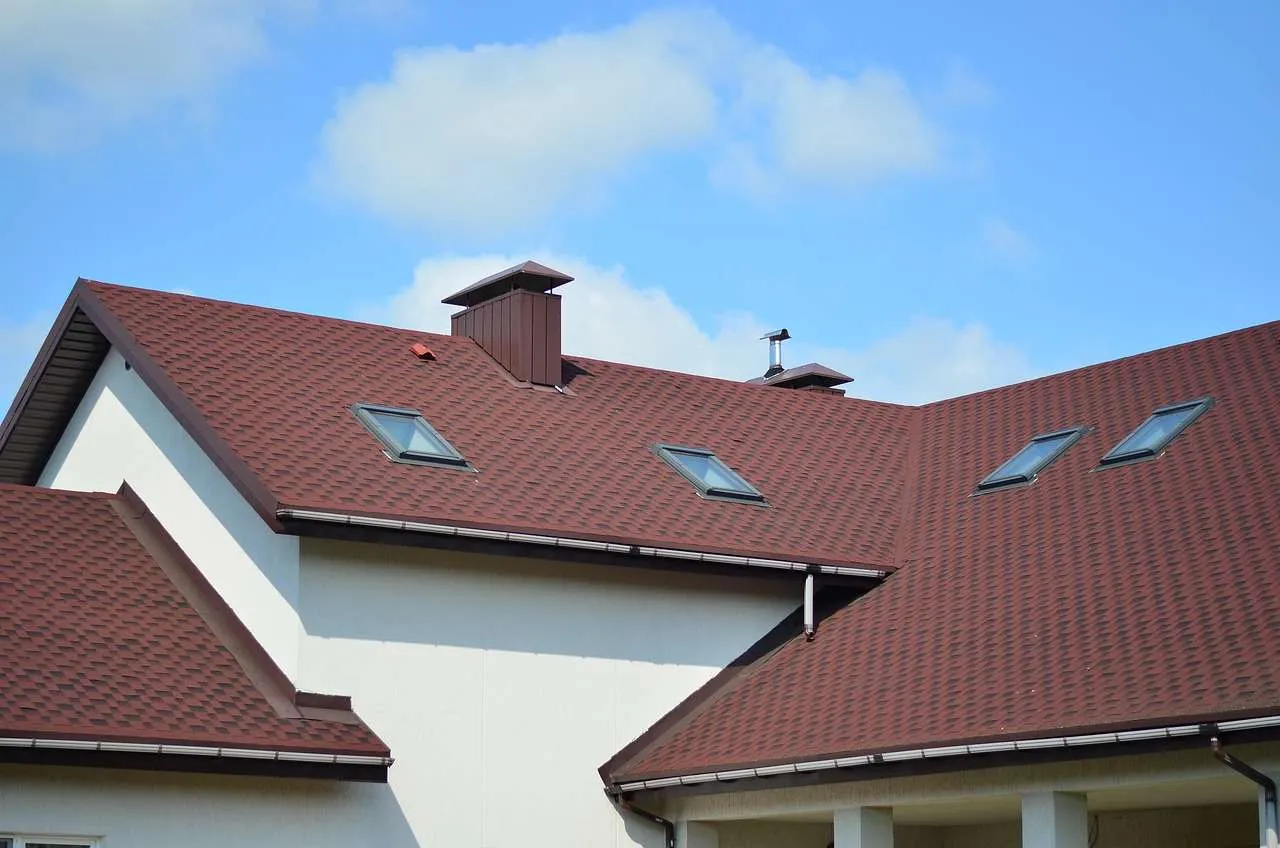
Many roofing problems start as small symptoms that worsen if ignored. Watch for: staining or damp areas on ceilings, dark spots on attic rafters, missing or curling shingles, visible granules in gutters, ice dams in cold climates, and water stains around chimneys or vents. Damaged flashing or poor roof ventilation can also cause leaks and accelerated wear.
Key issues by component
- Shingles: curling, blistering, cracking, or missing pieces
- Flashing: corrosion or gaps around chimneys, vents, and skylights
- Ventilation: restricted intake or exhaust leads to moisture buildup
- Gutters and drainage: blockages cause water backflow and roof edge damage
Repair vs replacement: making the right call
The decision to repair or replace depends on damage extent, roof age, and cost-effectiveness. In many cases, repairing a localized area is sensible if the remaining roof is healthy and under warranty.
When to repair
- Localized leaks due to damaged flashing, a few broken shingles, or minor repair of vent booting
- Good overall roof condition and age less than or around 15 years for asphalt roofs
- Solid attic insulation and ventilation to prevent recurrent moisture problems
When to replace
- Extensive shingle wear or structural damage, sagging, or widespread leaks
- Age beyond 20-25 years for asphalt roofs, or failing underlayment and decking
- Multiple repairs needed within a short period, indicating systemic issues
DIY safety and professional help
Repair of roofing can be hazardous. Falls, electrical hazards around wiring and skylights, and unstable decking are common risks. If you lack the proper fall protection equipment or experience, hire a licensed roofer. Check local licensing requirements, warranties, and permits when required by code.
What to expect during a typical repair
A professional repair usually begins with an inspection to locate all leaks and assess underlying damage. Steps often include removing damaged shingles or flashing, replacing damaged underlayment, sealing seams, and reapplying flashing or sealant. A thorough inspection for hidden issues helps prevent repeated leaks.
Cost considerations and a quick comparison
Repair costs vary by material, extent of damage, and labor rates. A simple shingle repair or flashing fix may be under a thousand dollars, while more complex repairs can run into the low thousands. Replacing an entire roof is a larger investment but can offer longer service life and improved energy efficiency. The table below provides a quick overview to help homeowners budget.
| Aspect | Repair | Replacement | Typical Cost Range | Pros | Cons |
|---|---|---|---|---|---|
| Extent | Localized | Widespread | $300 to $1,500 | Lower upfront cost, minimal disruption | May require further repairs later |
| Typical scenarios | Leak at flashing, damaged shingles | Severe wear, aged underlayment | $1,000 to $4,000 | Quicker fix for small issues | Less durable long term |
| Lifespan impact | Preserves current roof | Renews roof | $5,000 to $12,000 | Longer remaining life | Higher upfront cost |
Maintenance tips to extend roof life
Regular inspections after seasons of heavy rain or wind help catch problems early. Clean gutters, trim overhanging branches, ensure proper attic ventilation, and address issues promptly to protect the roof deck and underlayment.
In addition to visual checks, document repairs with receipts and warranties. Use high quality sealants and compatible flashing materials to maintain system integrity.
Conclusion, following a proactive maintenance plan and seeking timely repairs can save homeowners money by extending roof life and reducing the risk of major failures.